Endangered Animals Arkansas (EAAR) is a website to alert people about some of the endangered animals in their state. Although there are 41,415 endangered species in the world, that doesn't mean we can't make a difference. We can start with our home and work our way up!

Everyone eats. It's part of nature to eat to survive. We hunt to eat. If we hunt too many animals, that can unbalance the population and the species can become endangered.
When we drive cars, we make gas come out of the car. When factories make a product, they make smoke. That gas and smoke make pollution. Pollution is harmful to the environment. If animals breath too much in, it can kill them. It can also ruin the water, the air, and the food.
We use trees for paper products. For instance, notebook paper, cardboard, paper bags, toilet paper, and more. We make them using trees. Although we all love two-ply toilet paper, the animals living in or near those trees need them more than us. The animals could have nests in the trees or need the trees for food. They also use the trees for oxygen.

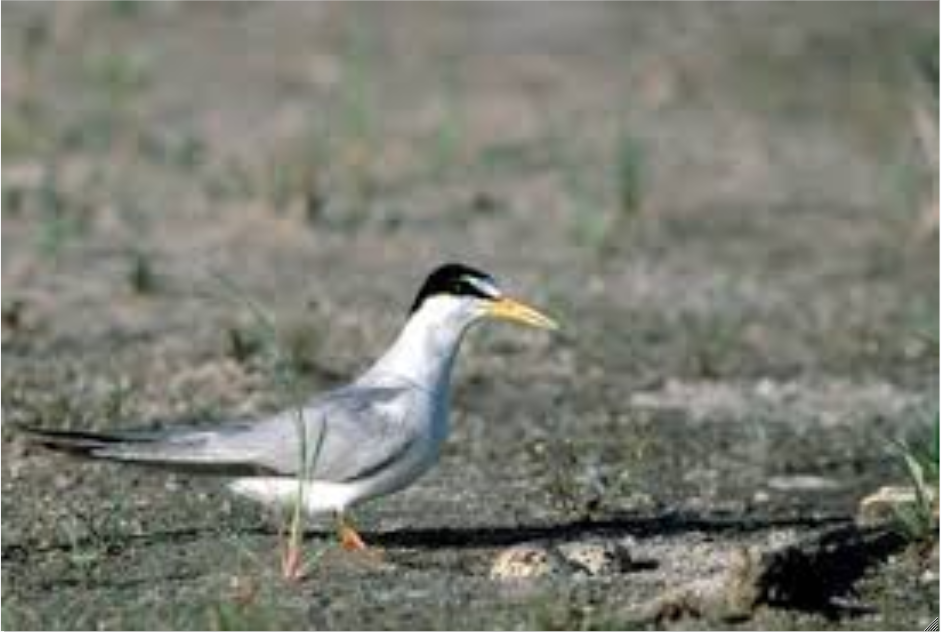
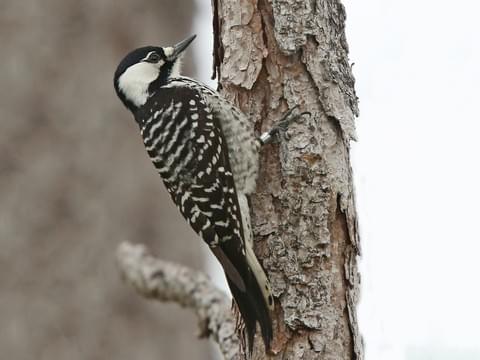
The Interior Least Terns in Arkansas nest in the sandbars of the Arkansas River. They could also live along lake shorelines. They eat small fish they can find from hovering over the lake or river water. The Interior Least Tern's scientific name is Sterna Antillarum. Least Terns are endangered because of habitat loss. For instance, changes in river systems and changes and weather patterns can drive them away. Disturbing their nests can also be a cause. Getting too close to their nests while boating, canoeing, or any type of water activity can make them leave or distroy their homes. Red Cockaded Woodpeckers live in pine trees (specifically loblolly and shortleaf pine trees) in the southern part of Arkansas. They eat insects and occasionally fruit. A way to tell the difference between the males and the females is looking at the side of their head. Males usually have a red mark there. They are going extinct mostly because people are cutting down there homes.
The Interior Least Terns in Arkansas nest in the sandbars of the Arkansas River. They could also live along lake shorelines. They eat small fish they can find from hovering over the lake or river water. The Interior Least Tern's scientific name is Sterna Antillarum. Least Terns are endangered because of habitat loss. For instance, changes in river systems and changes and weather patterns can drive them away. Disturbing their nests can also be a cause. Getting too close to their nests while boating, canoeing, or any type of water activity can make them leave or destroy their homes.


The Indiana Bat's real name is Myotis Sodalis. Myotis means, "mouse ear" and Sodalis means, "companion." They live in northern Arkansas and hibernate in caves in the winter. In the summer, they sleep in trees. These bat's control the pesky insects flying around by eating them. For instance, mosquitos, moths, and more would be hunted down. Human disturbance is mostly the reason for Indiana Bats going endangered. The clump together when hibernating and it makes them vulnerable to anything that might happen. Also visiting the caves they live in can drive bats away from their homes. Another reason Indiana Bats are going endangered is not enough food supply. Some areas may not have enough insects to feed all the bats there.

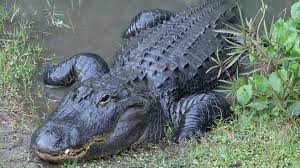
American Alligators are located in the southern parts of Arkansas. They live in freshwater such as swamps, rivers, and lakes. They are carnivores and eat fish, waterfowl, turtles, and frogs. If they want to, they can attack deer, possums, raccoons, and other large prey. American Alligators are endangered because hunters would hunt them for skin or food. Over time, it became too much and these Alligators are going endangered in Arkansas.

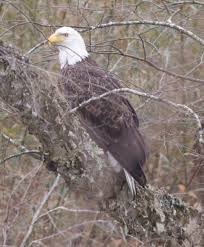
The Bald Eagle primarily lives in tall trees that are accessible to them. They like trees near rivers ir lakes. You can find them in any county in Arkansas. Bald Eagles are carnivores, so they eat meat like fish, squirrels, raccoons, and more small mammals. DDT is a chemical that caused these birds to go endangered. DDT would get in the water and into the fish the Bald Eagles eat. That lead to softness in eggshells and reducing birth. Illegal shootings and habitat destruction are also factors in making the eagles endangered.
© Copyright Endangered Animals Arkansas
Make a free website with Yola